BOCA RATON, FL — Memorial Day weekend will send families, tourists and local residents back to beaches across Palm Beach County and the rest of Florida, but state wildlife officials are reminding beachgoers that the shoreline is already being used.
Nesting season is underway for Florida’s imperiled sea turtles, shorebirds and seabirds. That means beach chairs, holes in the sand, trash, pets, lights and personal fireworks can all create problems for wildlife trying to nest or for young animals trying to survive after hatching.
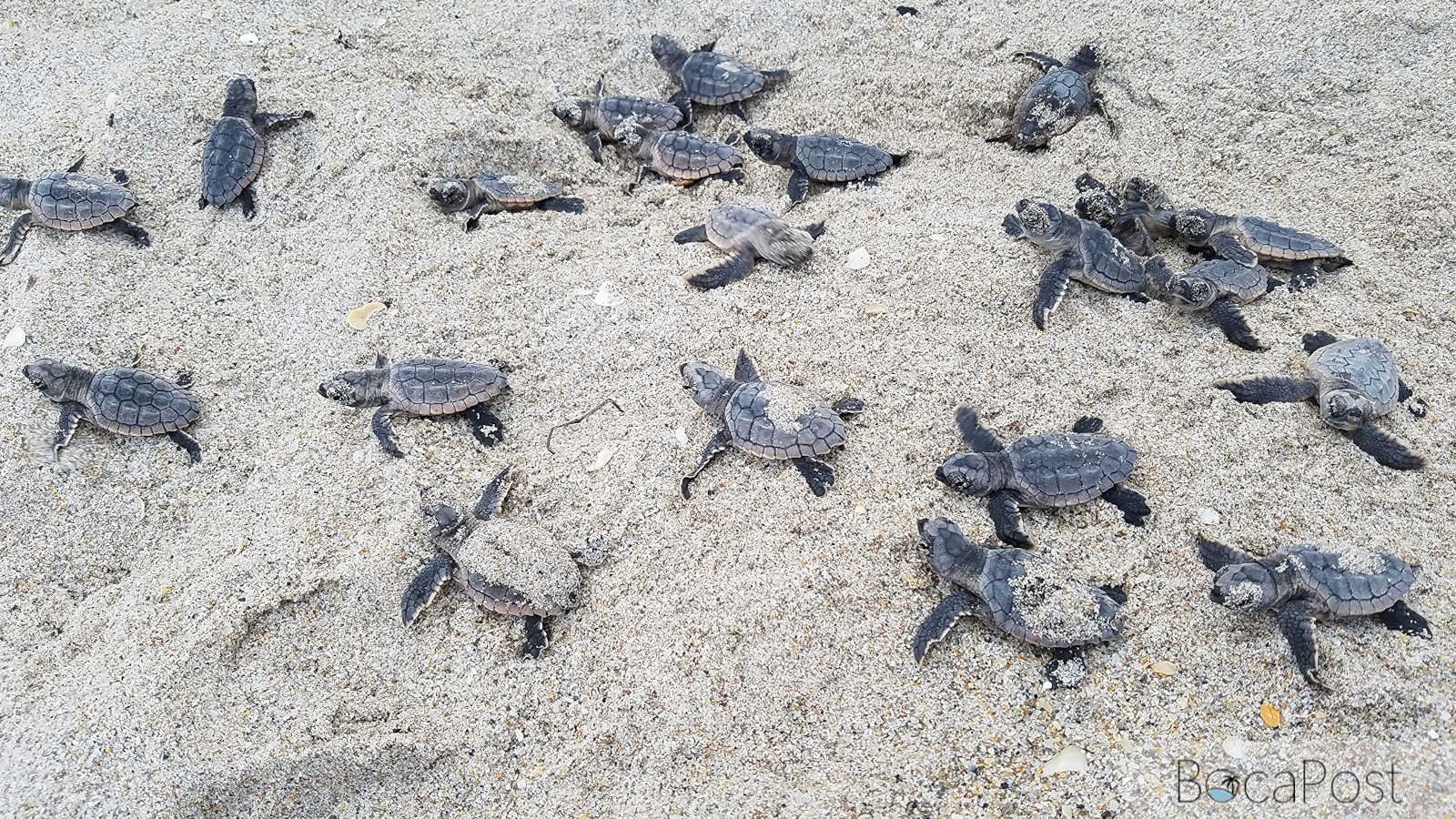
Florida’s sandy beaches provide spring and summer nesting habitat for several federally threatened and endangered sea turtle species, including loggerhead, leatherback and green sea turtles. Federally endangered Kemp’s ridley sea turtles also occasionally nest in Florida.
Anyone who sees a sea turtle nesting on the beach should keep at least 50 feet away. The distance matters. Getting too close can cause a turtle to leave the beach before completing the nesting process.
Sea turtles, their eggs and hatchlings are protected. It is illegal to harm, harass or take nesting sea turtles, their eggs or hatchlings.
The same beaches also provide nesting, resting and feeding habitat for imperiled beach-nesting birds, including black skimmers, least terns, snowy plovers and American oystercatchers. Wading birds, including herons, typically nest on mangrove islands off the coast.
Beachgoers should keep at least 300 feet from nesting shorebirds, seabirds and wading birds. When people get too close, birds may flush from their nesting sites, leaving eggs and chicks exposed to heat, weather and predators.
A few simple steps can make a difference.
Before leaving the beach for the day, visitors should remove beach furniture, toys and other items from the sand. Man-made holes should be filled in. Trash should be thrown away properly. Obstacles can block sea turtles from nesting and can prevent hatchlings from reaching the water after they emerge.
Food scraps also attract predators, including raccoons and crows, which can prey on sea turtle hatchlings and shorebird eggs and chicks.
Beachgoers should also steer clear of birds on the sand. Shorebirds and seabirds often nest in shallow scrapes, and their eggs and chicks are small and camouflaged. They can be easy to miss. They can also be stepped on.
Posted nesting areas and Critical Wildlife Areas should be avoided. Those areas are closed to public access to protect nesting birds and chicks. Marked sea turtle nests should also be left alone, and pets should be kept leashed and away from posted areas.
Lights are another major concern at night. Lights on or near the beach can misdirect nesting turtles and hatchlings, pulling them away from the ocean and toward danger. Beachfront property owners and visitors should turn off outside lights when possible, close curtains after dark and avoid flashlights, cellphone lights and flash photography on the beach.
FWC also urges people to keep personal fireworks off the beach and away from adjacent waterways. Loud sounds and bright lights can affect nesting birds, chicks and nesting sea turtles. The agency recommends attending official fireworks events instead.
Pet owners can help by keeping dogs at home or on a short leash at pet-friendly beaches. Even well-behaved dogs can be seen as predators by shorebirds, causing birds to leave eggs and chicks exposed.
Anyone who sees a wildlife violation or finds a marine turtle that is injured, in distress or dead can report it to the FWC Wildlife Alert Hotline at 888-404-FWCC, or 888-404-3922.
More information about nesting waterbirds is available through MyFWC.com/Shorebirds and the Florida Shorebird Alliance at FLShorebirdAlliance.org. More information about nesting sea turtles is available at MyFWC.com/SeaTurtle.
Local reporting, real-time weather updates, and Boca Raton news coverage that stays focused on the community.