BOCA RATON, Fla. — Boca Raton homeowners would pay $224 a year for fire protection under a staff proposal going before the City Council on Tuesday, up $69 from the $155 rate the city has charged for the past five years.
The 44.5 percent increase would be the largest single-year jump in the residential fire assessment in the 21 fiscal years shown in the city's own rate history chart. The item appears on Tuesday's agenda under City Manager Recommendations and Reports, with a methodology report and a staff presentation attached. No ordinance or resolution number is listed for the item.
The presentation gives a one-line explanation for the residential increase. "Residential Rate will increase due to increased Fire Services," it said.
The numbers behind it are large. The city's revised fiscal 2026 fire department budget is $99,810,000. Of that, $53,744,882 is classified as assessable fire services cost, or 53.8 percent of the total. The proposed assessment would recover $18,204,881, which the presentation puts at 33.9 percent of maximum assessable costs and 18.2 percent of the total fire budget.
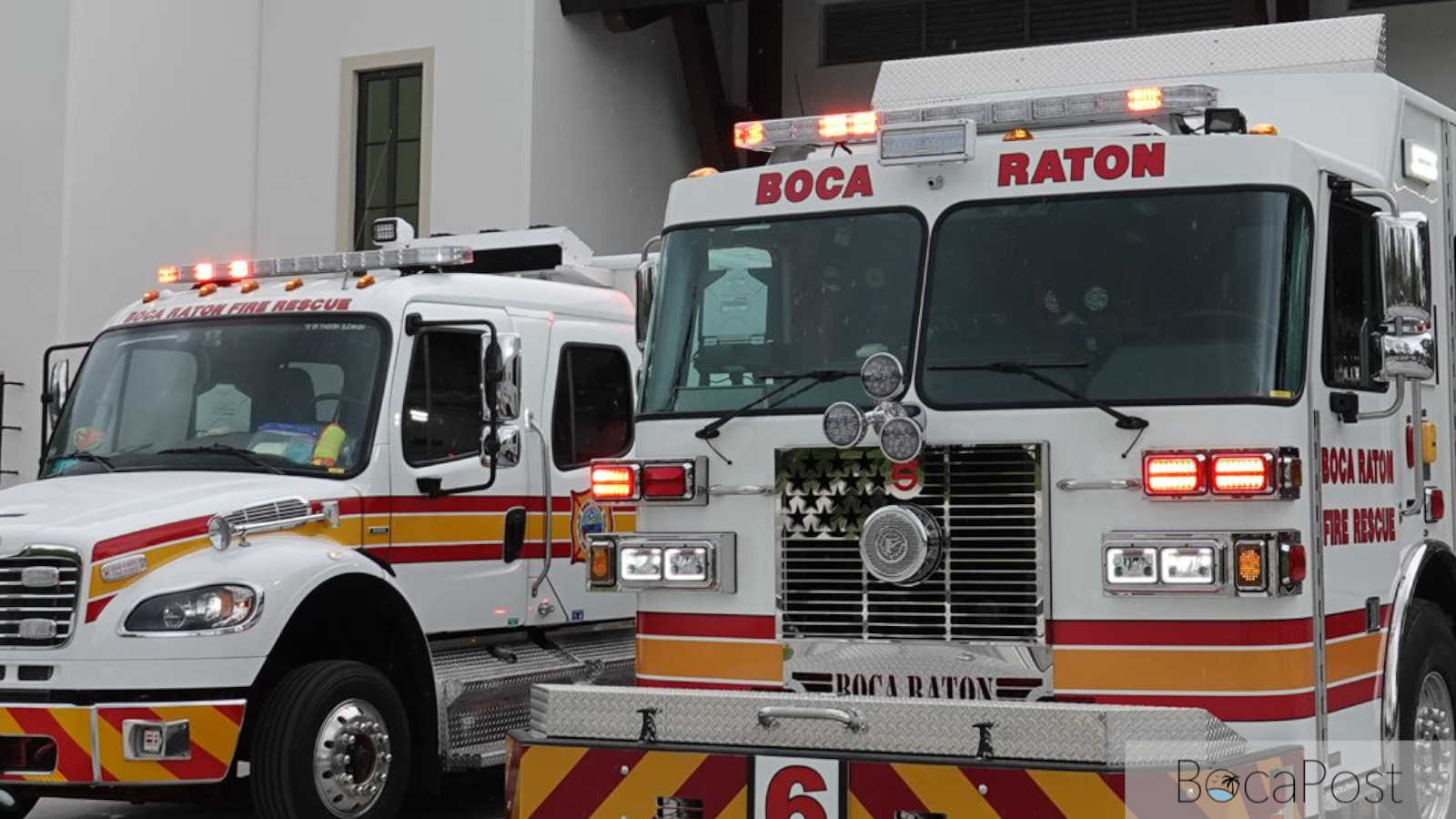
The city runs fire rescue from eight stations with 249 firefighters and 271 total employees across two battalions, according to the methodology report.
Costs are split between fire and rescue based on staffing, at 52.2 percent fire and 47.8 percent rescue. Only the fire share can be assessed. Rescue and emergency medical costs stay on the property tax side.
Each property category's share is set by fire call volume. The report counted 21,757 fire or property incidents from 2019 through 2025, apportioned this way:
- Residential, 11,899 calls, 54.69 percent, assessed $11,028,656
- Commercial, 7,210 calls, 33.14 percent, assessed $6,682,630
- Government and other exempt, 2,071 calls, 9.52 percent, assessed $1,919,518
- Warehouse and industrial, 577 calls, 2.65 percent, assessed $534,796
Each category's share of the assessment matches its share of calls to the hundredth of a percent.
Businesses see lower rates and, for some, higher bills
Commercial rates would fall 12.4 percent across most square footage tranches, and 13.4 percent for buildings of 75,000 square feet or more. Warehouse and industrial rates would fall 52.8 percent.
Those cuts do not mean smaller bills for everyone. The presentation said prior assessments were levied only on the first structure on a property, and that the new assessment corrects that by levying on each structure. "Many property owners will benefit from this. Some will pay noticeably more," according to the presentation.
Under the proposed tranches, a commercial building under 3,500 square feet would pay $406.38, down from $464. One of 75,000 square feet or more would pay $22,224.78, down from $25,676. There are 144 commercial properties in that largest tranche. A warehouse under 30,000 square feet would pay $513.20, down from $1,087.
Exempt properties would remain exempt. Government, religious, hospital and school properties generated 9.52 percent of fire calls over the study period but are not assessed. The city nets that cost out rather than shifting it onto paying properties.
Twenty years of rate history
The residential rate sat at $80 from fiscal 2007 through fiscal 2012 and rose in four steps after that: to $85 in fiscal 2013, $105 in fiscal 2017, $145 in fiscal 2019 and $155 in fiscal 2022, where it stayed for five years. The previous largest increase was the $40 jump in fiscal 2019, a 38.1 percent rise. The proposed $69 increase is larger in both dollars and percentage.
The methodology report was prepared by Munilytics, a Davie firm, and signed by company President Christopher Wallace on July 22. It assumes fire costs will rise 4.5 percent a year and forecasts assessable fire services costs climbing from $53.7 million in fiscal 2027 to $64.1 million by the end of the five-year outlook.
The report said the apportionment method is fair and reasonable, that residential assessment on a per dwelling unit basis avoids cost inefficiency and unnecessary administration, and that assessing non-residential buildings by actual square footage tracks the demand for fire service because larger buildings carry greater potential for a large fire.
The presentation laid out the legal test the city has to meet. Property must be specially benefited, and Florida courts have long upheld that fire services benefit real property. Costs must be fairly apportioned, and the method cannot be arbitrary or capricious.
Why now
The proposal arrives seven weeks after the council's chief financial officer told members to start looking for new money.
At a June 9 workshop, Deputy City Manager and Chief Financial Officer Jim Zervis presented on House Joint Resolution 1-F and said the measure would expand homestead and non-homestead exemptions beginning in 2027, reducing the city's taxable base and limiting future millage rate growth, according to the meeting minutes. He said public safety costs already exceed property tax revenues and that the city may need to consider options to replace those funds if the measure passes.
The minutes said Zervis encouraged officials to begin planning for the 2027-28 budget through priority-based budgeting and exploration of new revenue sources, and noted that legal challenges to the ballot language may emerge.
A fire assessment is a non-ad-valorem charge. It is not limited by the millage rate and is not reduced by homestead exemptions.
Property taxes drew comment at that same June 9 workshop. Pam Paschke spoke against the proposed property tax reform and Alexander Lamperides said he opposed the reform bill, according to the minutes. Mike Liebelson said reducing property taxes would improve affordability for new homeowners. Jonathan Ounjian urged the council not to raise taxes on commercial properties and advocated for a new police station. Martin Bell suggested the city project incremental tax revenue for upcoming large development projects.
Tuesday's agenda also carries the millage notification to the Palm Beach County Property Appraiser and Tax Collector, the annual step that sets the proposed maximum property tax rate appearing on TRIM notices.
The City Council meets at 6 p.m. Tuesday. The fire assessment and millage items fall under City Manager Recommendations and Reports, near the end of the agenda.
Police and fire rescue budgets, facility plans, and service levels come before the City Council regularly, including the ongoing police complex debate. Boca Post covers those decisions in our Boca Raton Government and Development section.