UPDATE: Boca Raton Weighs Tax Relief Against $16.7M Budget Impact
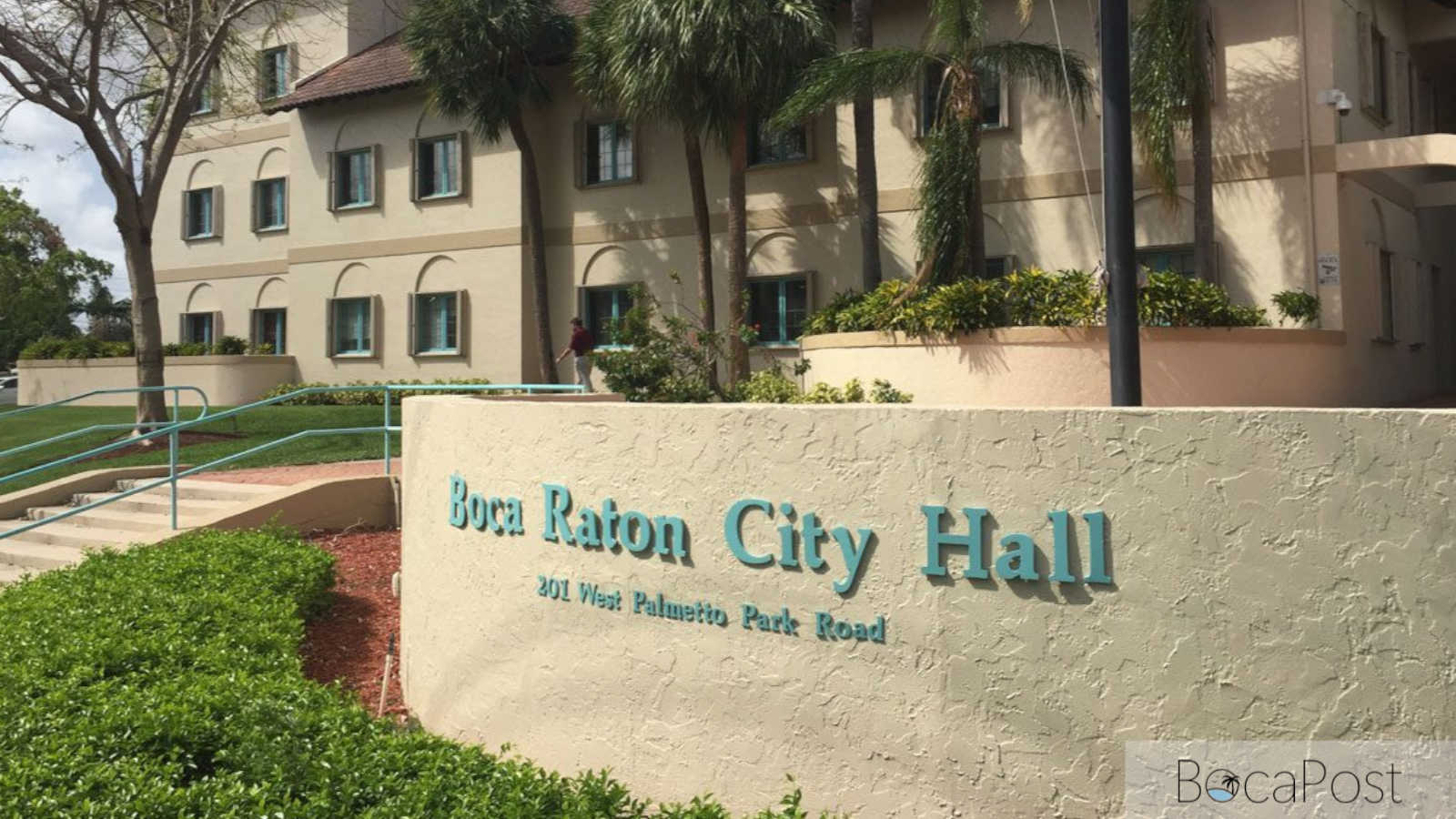
BOCA RATON, FL — Boca Raton city staff will present an analysis Tuesday on how proposed state property tax reform could affect the city’s budget, including an estimated annual revenue reduction of up to $16.73 million.
The presentation, prepared by the City of Boca Raton Office of Management & Budget, is scheduled for the Boca Raton City Council workshop agenda at 10 a.m. June 9, 2026. The analysis focuses on House Joint Resolution 1-F and Senate Bill 4-F, a proposed property tax reform package tied to the November 2026 ballot.
According to the city presentation, HJR 1-F passed the Florida Legislature on June 2, 2026. The measure is expected to appear as a constitutional amendment on the November 2026 ballot and would require approval from more than 60% of voters. If approved, the changes would take effect Jan. 1, 2027.
The city’s analysis says the proposal would replace the current homestead exemption structure with a $150,000 homestead exemption beginning Jan. 1, 2027, increasing to $250,000 beginning Jan. 1, 2028. The exemption would apply to non-school ad valorem taxes, including cities, counties and special districts, according to the presentation.
The presentation says non-ad valorem assessments, such as fire rescue, stormwater, solid waste, street lighting and other parcel-based assessments, would not be affected.
The proposal also would reduce the cap on annual taxable value increases for non-homesteaded properties from 10% to 5%, according to the city’s analysis.
For Boca Raton, the financial impact could be significant because ad valorem taxes make up a large share of the city’s general fund. The city’s FY 2026-27 draft budget lists $144.68 million in ad valorem tax revenue, representing 52.77% of the city’s $274.16 million general fund revenue.
According to the presentation, the $150,000 homestead exemption would reduce Boca Raton’s annual revenue by an estimated $8.14 million. The $250,000 exemption would reduce annual revenue by an estimated $16.73 million.
The city says the larger revenue loss would represent 11.56% of total property tax revenues and 6.10% of total general fund revenues.
The presentation also estimates Boca Raton’s total taxable value would fall from about $41.65 billion to about $37.06 billion under HJR 1-F. Homesteaded property would account for a smaller share of the city’s taxable value, while non-homesteaded property would make up a larger share.
A residential property tax example included in the presentation shows one homesteaded property with a current total tax bill of $9,135 falling to $6,999 after the proposed exemption increase, a reduction of $2,136, or 23.4%. In that example, the city ad valorem portion would fall from $1,846 to $1,113.
The city’s presentation does not frame those numbers as a final policy decision. Instead, it outlines potential choices city leaders may need to consider if the measure is approved by voters.
One illustrative table shows that proportional reductions totaling $16.73 million across the city’s FY 2025-26 approved budget would include about $5.31 million from Police Services, about $4.99 million from Fire/Rescue Services and about $2.56 million from Recreation Services. The presentation does not say the City Council will choose proportional budget cuts.
The city also lists possible revenue options. One option shown in the presentation would be increasing the city millage rate from 3.6649 to 4.1078 to fully replace the lost revenue, a 12.08% increase.
Other potential options listed include increasing the non-ad valorem fire fee, moving city fees toward full cost recovery, evaluating new assessments for certain services or infrastructure, reviewing possible CRA tax increment rebates, outsourcing some city services, and monetizing city assets such as naming rights, billboards, cell towers, advertising or property leases.
Senate Bill 4-F is described in the city presentation as the companion bill to HJR 1-F. According to the presentation, the bill is primarily administrative and contingent on voter approval of the constitutional amendment. The city says it would modify the maximum millage rate calculation by removing the per capita personal income growth factor, further limiting future millage rate growth.
The city lists several next steps, including adopting the FY 2026-27 budget by Sept. 30, 2026, considering policy direction on potential lost revenue, educating the community on local impacts, monitoring the November 2026 election and preparing for FY 2027-28 budget decisions if the amendment is approved.
The presentation does not identify a final recommendation for how Boca Raton should address the potential revenue loss.
From budget approvals to land use changes, Boca Post tracks the decisions made by the Boca Raton City Council that impact residents and businesses. Explore our Boca Raton City Government and Development coverage for the latest updates.