
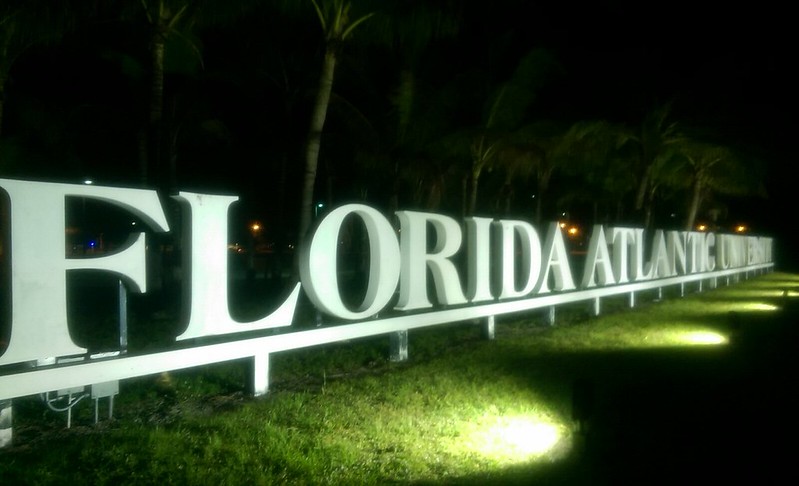
BOCA RATON, FL (Boca Post) (Copyright © 2025) — On Monday morning, in the kind of humid May air that hints at summer, 61 students at Florida Atlantic University officially became doctors. They donned crisp white coats, stood a little taller than they had four years ago, and crossed a stage toward a future that—by all signs—is both promising and uncertain.
The 2025 commencement for FAU’s Charles E. Schmidt College of Medicine wasn’t just a celebration of personal triumphs. It doubled as a reminder that Florida’s healthcare system is in deep trouble.
A projected shortfall of nearly 18,000 doctors by 2035 looms over the state, according to a joint report by the Florida Hospital Association and the Safety Net Hospital Alliance of Florida (Florida Trend). That number isn’t some far-off hypothetical. For many Floridians—especially those in rural counties—it’s already a reality.
FAU’s graduating class might be small in the grand scheme, but it comes with outsized hope. About 36 percent of these new physicians will stay in Florida to complete their residency training, and more than a quarter of them are entering primary care—a sector hit hardest by the shortage (FAU News Desk).
“We are in a state that desperately needs you,” FAU President Adam Hasner told the graduates during the ceremony, held at the Carole and Barry Kaye Performing Arts Auditorium on FAU’s Boca Raton campus. Hasner helped lay the groundwork for the medical school during his time in the Florida House of Representatives. Seeing the results, he said, was “profound” (FAU News Desk).
There were moments of levity—nervous laughter from soon-to-be doctors adjusting their hoods, proud parents trying to hold back tears, and the gentle chaos of large families wrangling toddlers in suits. But beneath the joy was a sense of gravity.
“I’ve worked in clinics where patients waited weeks just to be seen,” said graduate Miguel Antonio Castro, M.D., who mentored more than 500 students from underrepresented backgrounds during his time at FAU. “You feel how much the system needs more hands, more hearts” (FAU News Desk).
Castro, along with Elisha Myers, M.D., a Fulbright Scholar and founder of the FAU Student-Initiated Free Clinic, are emblematic of a new generation of physicians shaped by social responsibility. Their peers will be heading to top-tier residency programs like University of Miami/Jackson Health System, Cleveland Clinic Florida, Duke, and Yale—but not all are leaving South Florida (FAU News Desk).
Some, like Myers, have made it clear that staying close to home is a priority. “We’ve built relationships here. There’s a community to care for. Why would we walk away from that now?” she said.
Florida’s growing, aging population only adds pressure. Nearly 21% of residents are 65 or older, and the state continues to be a magnet for retirees. That demographic reality places a massive burden on primary care, internal medicine, and geriatric specialties—fields often overlooked for their long hours and lower pay compared to surgical or specialist tracks.
In 2024, Florida TaxWatch issued a report calling the state’s physician pipeline “alarming,” particularly in underserved areas. The nonprofit warned that unless the state dramatically expands both medical education and residency slots, “the gap between patient demand and provider supply will become unsustainable” (Florida TaxWatch).
That’s not lost on FAU’s faculty.
“We try to instill a sense of duty that extends beyond the hospital,” said Dr. Sarah Kleinfeld, one of the school’s associate deans. “It’s not just about curing—it’s about showing up where you’re needed most.”
This year’s ceremony had its emotional touchstones, too. Fourteen graduates were hooded by family members who are also physicians, a visual symbol of legacy and continuity in a field that rarely slows down. Others, like Navya Venkatesh, M.D., are first-generation Americans fulfilling long-held family dreams.
Still, everyone in the auditorium seemed to understand this class wasn’t walking into an easy time. The national conversation around healthcare access is growing louder, and the local challenges are multiplying—burnout, cost, infrastructure gaps, and insurance limitations are just the start.
But for a moment, none of that mattered. The crowd cheered. Names were called. Diplomas were handed out.
And quietly, in the background, Florida’s doctor shortage ticked one notch closer to manageable.
One class won’t fix everything. But it’s a start.
Image Credit: “FAU” by Chad Cooper is licensed under CC BY 2.0.


0 Comments