CORAL SPRINGS, FL (Boca Post) (Copyright © 2026) — Broward County’s Coral Springs is stepping into a growing South Florida money fight that would ripple well beyond city limits, including into Palm Beach County communities like Boca Raton that rely on steady local revenue to run basic services.
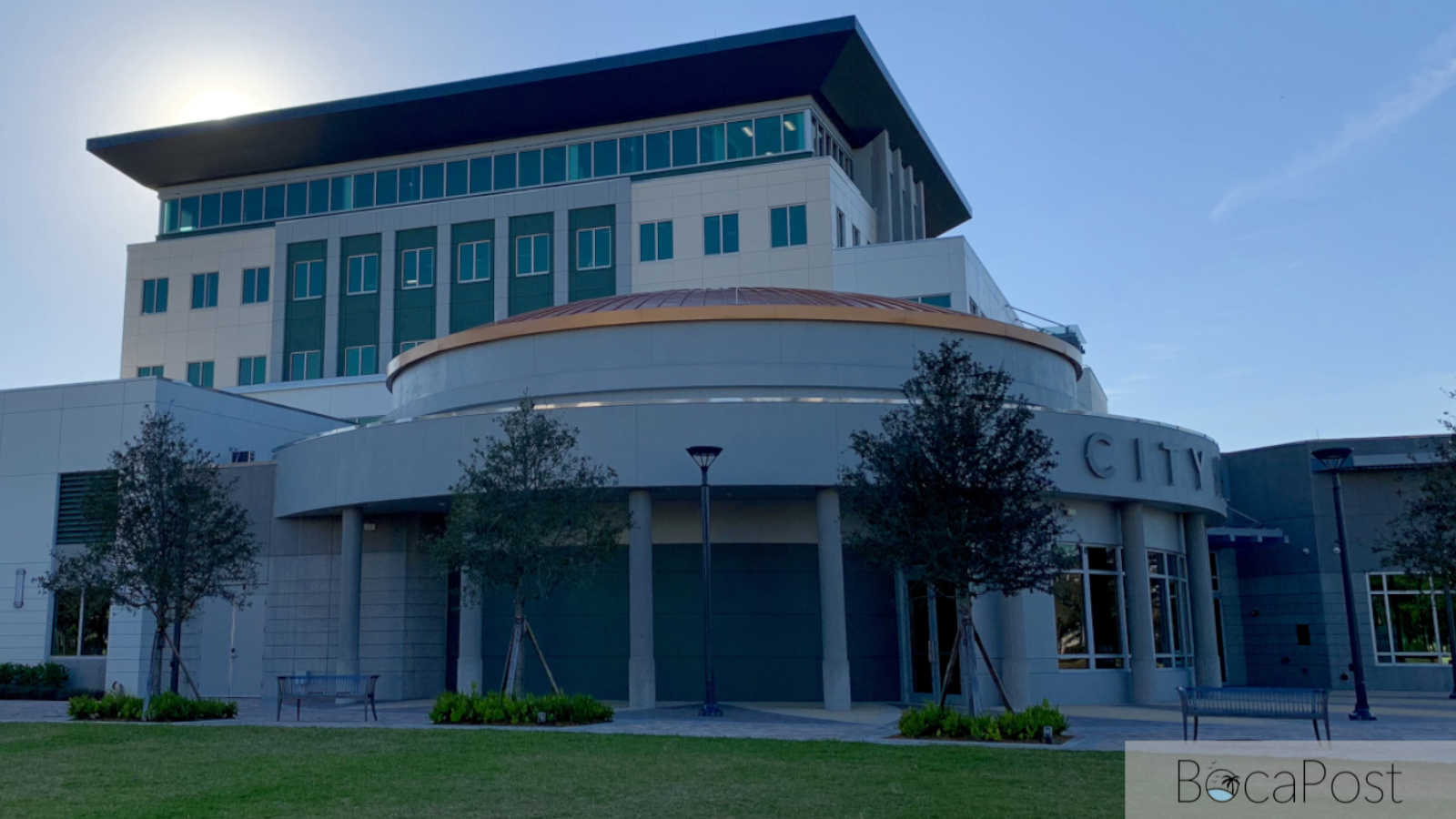
The Coral Springs City Commission approved Resolution 2026-005 opposing House Joint Resolution 203, a state proposal that would phase out non-school property tax revenue by expanding the homestead exemption over time. Under the framework described in the city’s resolution, the exemption would rise in stages starting in 2028, with the stated end point of fully exempting homesteaded properties from non-school ad valorem taxes by 2037.
City leaders framed the move as a defense of home rule and long-term financial stability. Even with a gradual timeline, Coral Springs laid out a concern familiar to city halls across South Florida: when a major revenue stream is dialed down, the cuts tend to land on the parts of local government residents touch every day.
Coral Springs’ resolution lists parks and recreation, public works, infrastructure maintenance, code enforcement, community programs, roads, stormwater management, environmental services, and other core municipal functions as areas that could be squeezed if non-school property tax revenue shrinks and no replacement source is provided. Police and fire services are also part of the conversation, but the city’s resolution flags an additional wrinkle: language in the proposal intended to protect public safety spending could, in practice, box cities into cutting elsewhere when budgets tighten.
In its formal findings, the city states that Coral Springs currently receives 48.23% of its revenue from property taxation. The resolution also points to the scale of public safety costs inside that tax base, stating the city’s General Fund public safety expenses total 101.41% of the revenue from property taxation, with $93,680,944 in public safety expenses compared to $92,375,673 in ad valorem revenue.
The city’s resolution describes HJR 203 as a measure that would go before voters as a ballot question if the Legislature passes it. Coral Springs also spells out the potential local hit. It states the city would lose about $14,577,659 per year in property tax revenue if the ballot measure passes, and it warns that although the plan is described as a 10-year phase-out, Coral Springs expects a major drop much earlier. The resolution says the measure would eliminate ad valorem taxes for the vast majority of homesteaded properties by Year 3, estimating a loss of about $45 million over the first three years alone.
Coral Springs’ commissioners didn’t frame the issue as theoretical. The resolution bluntly argues that large reductions in property tax revenue could force cities to cut services and/or personnel, defer critical infrastructure maintenance, delay recurring capital projects, and reduce the ability to take on new projects. It also warns that the measure, as described by the city, does not provide alternative revenue sources to offset the losses.
That argument is likely to resonate in other cities watching Tallahassee, including Boca-area governments that balance public safety, neighborhood services, stormwater needs, and aging infrastructure with budgets that are already under pressure from inflation and growth. Coral Springs’ message is that the effect won’t be limited to one line item. If the revenue base shifts, so does the city’s ability to plan multi-year projects, keep up with road and drainage work, and staff departments that handle code complaints, parks upkeep, and day-to-day quality of life issues.
The resolution was adopted Feb. 4, 2026, and the vote was recorded as unanimous, with Vice Mayor Metayer Bowen marked absent on the document. It directs the City Clerk to forward the resolution to the Florida Legislature, the Broward League of Cities, Gov. Ron DeSantis, the media, and other interested parties.
What happens next is in Tallahassee. Coral Springs’ action does not stop the proposal, but it puts the city on record early and adds to the pile of local governments signaling that changes to property tax structure are not just tax policy, but service policy. For residents across South Florida, the practical watch point is simple: whether the state proposal advances, and if it does, whether lawmakers pair it with any defined replacement revenue or structural changes that keep cities from shifting costs into fees, assessments, or service reductions.