
This article is part of Boca Post’s ongoing coverage of the Downtown Campus Redevelopment Project, a proposed public-private partnership involving City-owned land near NW 2nd Avenue and Palmetto Park Road.
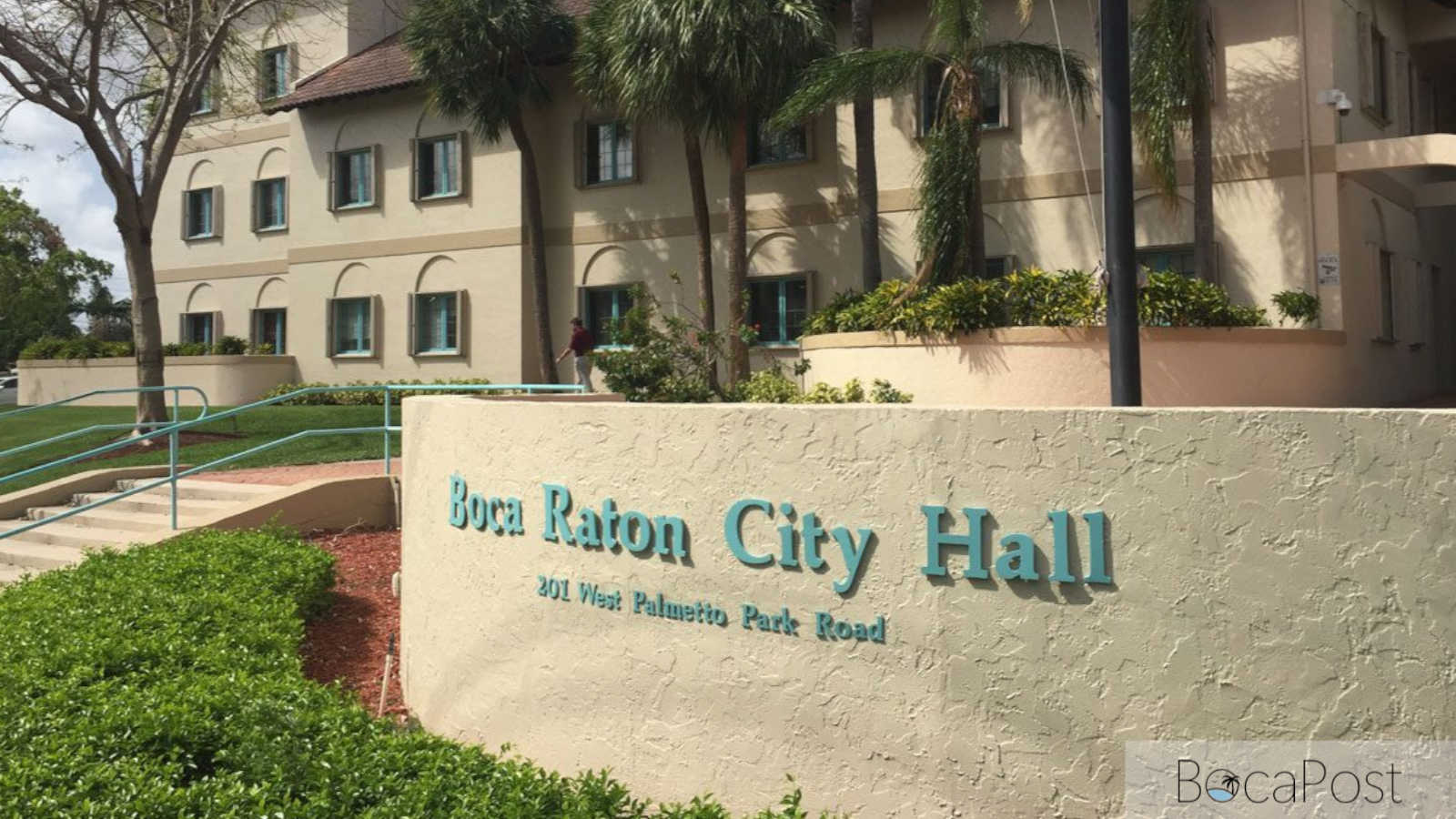
BOCA RATON, FL (Boca Post) (Copyright © 2026) — Boca Raton’s Downtown Campus redevelopment effort moved into a key regulatory phase this month as city boards reviewed and introduced multiple land-use and zoning items tied to the adopted Downtown Campus Master Plan.
City officials discussed the items at the Feb. 5 Planning & Zoning Board meeting and introduced ordinances at the Feb. 10 City Council regular meeting. The city frames the changes as part of the steps needed to implement the Master Plan while modernizing the rules that govern Downtown development.
Four ordinances were central to the Feb. 10 update. The first, Ordinance No. 5771, would create a new Downtown Zoning District intended to gradually replace the existing Downtown Development of Regional Impact framework, also known as Ordinance No. 4035, before that structure expires in March 2028. As written, the ordinance also sets out specific rules for a new “Government Center Subdistrict,” which includes the Downtown Campus project area.
That’s where the March election becomes decisive. The city’s Feb. 10 update makes clear that Campus-specific provisions in the new subdistrict are designed to self-cancel if the March 10 referendum is not approved by voters. In practical terms, the city is advancing the broader Downtown regulatory transition while making the Downtown Campus pieces contingent on the referendum outcome.
A second measure, Ordinance No. 5774, would update the city’s Future Land Use Map to designate about 9.8 acres within the Downtown Campus area as Central Business District. The city says that change is intended to support long-term planning goals under the city’s Comprehensive Plan and the Community Redevelopment Agency’s Downtown Plan, with an emphasis on a mix of uses and multimodal transportation in a pedestrian-friendly Downtown setting.
Ordinance No. 5775 would amend the Future Land Use Element of the Comprehensive Plan to establish policy direction for moving away from the existing DDRI framework before it sunsets in March 2028. The city describes this as part of the same transition: updating Downtown rules now so the city is not relying on an expiring regulatory structure later.
The fourth item, Ordinance No. 5776, would amend the Downtown DDRI by expanding DDRI Subarea A, which would be renamed the “Government Center Subdistrict,” for consistency with the map change proposed in Ordinance No. 5774. The city also describes this ordinance as a reallocation of existing development capacity, measured in office equivalents, to support implementation of the Downtown Campus project.
City materials emphasize that the DDRI amendment would not increase overall development capacity. Instead, it would redistribute entitlements within the existing framework and place existing development rights for the 9.8 acres proposed for redesignation into the Downtown regulatory structure. As with the Campus-specific zoning provisions, the reallocation tied to the Downtown Campus project is set to be automatically repealed if the March 10 referendum is not approved by voters.
What happens next is now on the calendar. City Council is scheduled to consider adoption of the introduced ordinances at its Feb. 24 meeting. After that, residents will face a binding decision at the March 10 municipal election, when voters will be asked whether to proceed with the proposed public-private partnership Downtown Campus redevelopment.
The city’s update is explicit about the sequence: the March 10 referendum is the deciding vote, and nothing about the project moves forward unless voters approve it. If the ballot question passes, the city anticipates additional steps after March 10, including rezoning and other land-use actions subject to review and approval, site plan review through standard city processes, and community engagement and planning for city-led public facilities that are part of the broader Downtown Campus vision, including the community center, City Hall and Memorial Park.
For residents, the near-term watch points are straightforward: the Feb. 24 City Council meeting, where the ordinances are slated for adoption consideration, and the March 10 election, where the Downtown Campus-specific regulatory pieces hinge on the outcome.