Premises liability is the legal category that covers a broad set of injury claims tied to property conditions. In plain terms: someone is hurt on property controlled by another person or entity, and the injured person alleges the property was not reasonably safe.
These cases can come out of a slip-and-fall inside a store, a trip hazard on a sidewalk, a broken stair tread, poor lighting in a parking area, uneven flooring, or a wet surface that wasn’t marked. They can also involve residential settings—apartment complexes, condominiums, common areas, or private homes—depending on who had control over the area where the injury occurred.
What the lawsuit is actually arguing
Premises liability lawsuits often hinge on a few practical questions.
Was there a hazardous condition? The plaintiff’s complaint generally describes the condition that allegedly caused the injury. Photographs, incident reports, maintenance logs, and witness statements may matter. Sometimes the condition is visible and obvious. Sometimes it’s disputed, or the parties argue over how long it existed.
Who controlled the area? “Ownership” is not always the key issue. Control is. A tenant, management company, contractor, or association may be responsible for certain areas. Cases can involve multiple defendants if control is unclear or shared.
Notice: did the defendant know or should they have known? Many claims come down to notice. Did the defendant have actual knowledge of the hazard? If not, should the hazard have been discovered through reasonable inspections and maintenance? That question—notice—shows up repeatedly in filings, motions, and depositions.
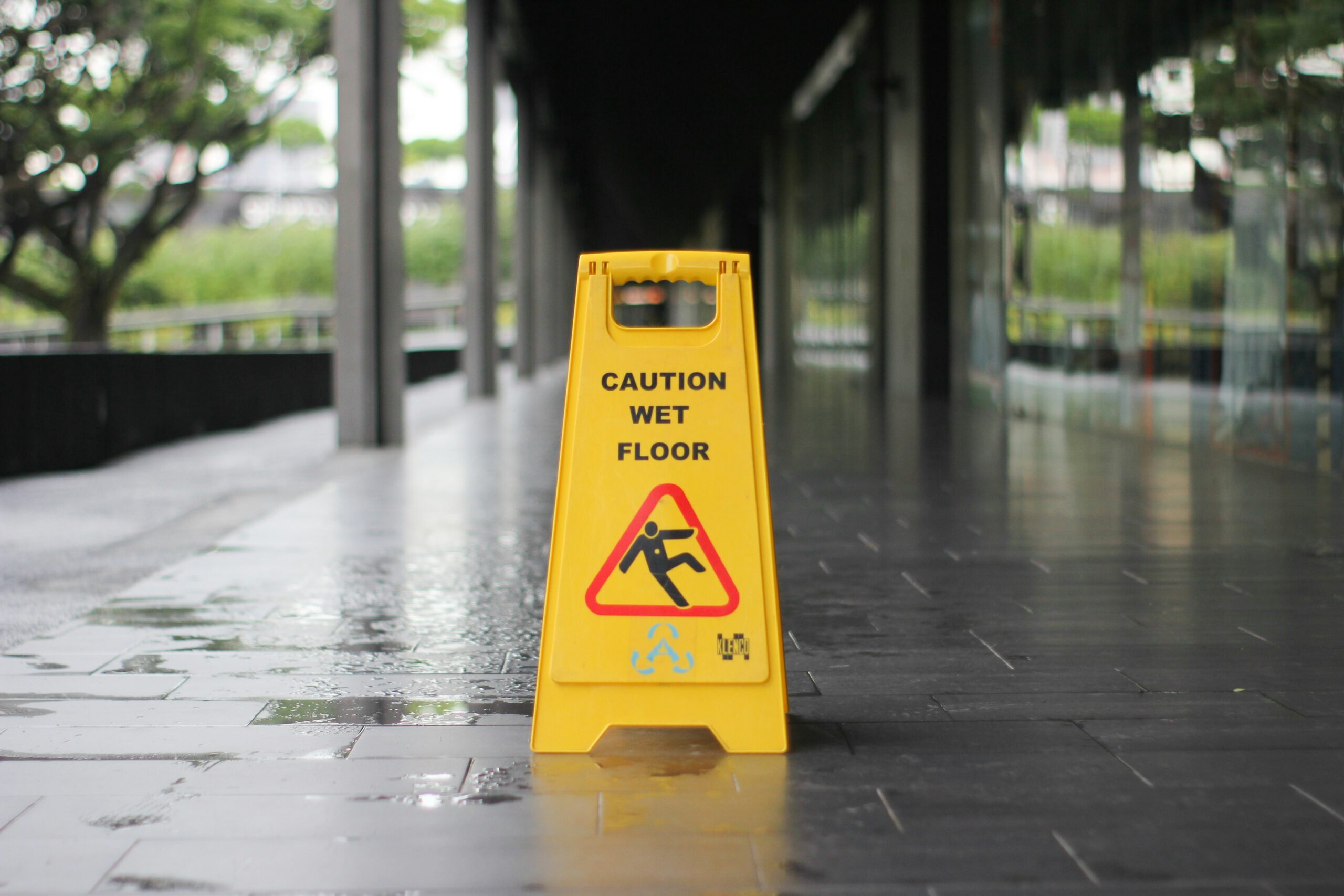
Was there a warning or fix? Signage, cones, caution tape, or repair work can become central facts. So can the absence of any warning. In some cases, a defendant argues the hazard was “open and obvious,” or that the injured person failed to use reasonable care.
Why these cases can become document-heavy
Premises cases can look simple from the outside. Then discovery starts and the paper trail appears.
Typical points of contention include:
- Surveillance video retention (and whether it still exists)
- Cleaning schedules and inspection procedures
- Prior incident history at the same location
- Vendor contracts (who was responsible for maintenance)
- Medical records and causation disputes (what injury came from the fall)
Common settings in South Florida coverage
Locally, these cases frequently involve:
- Shopping centers and grocery stores
- Restaurants and hotels
- Condo common areas and HOAs
- Parking lots and garages
- Sidewalks and entryways
That does not mean every fall turns into a lawsuit. Many don’t. When a complaint is filed, it typically means a claim did not resolve through insurance or informal negotiation.
What readers should keep in mind
A premises liability complaint is an allegation. It is not proof of fault. Defendants may deny the hazard existed, deny notice, argue reasonable maintenance, or dispute whether the fall caused the claimed injuries. Many cases resolve outside of trial after depositions and records exchange.
This explainer is background only and is not legal advice.
Boca Post publishes daily reporting on Boca Raton lawsuits and civil court filings in Palm Beach County.
Your Side of the Story
Boca Post reports on civil filings, complaints, and public disputes based on official court records and public documents. A filing represents an allegation and does not constitute a finding of liability.
Individuals and businesses mentioned in coverage may submit a clearly labeled Sponsored Response to share their perspective. This is separate from our journalism and does not alter our reporting.
Factual errors are corrected free of charge.