
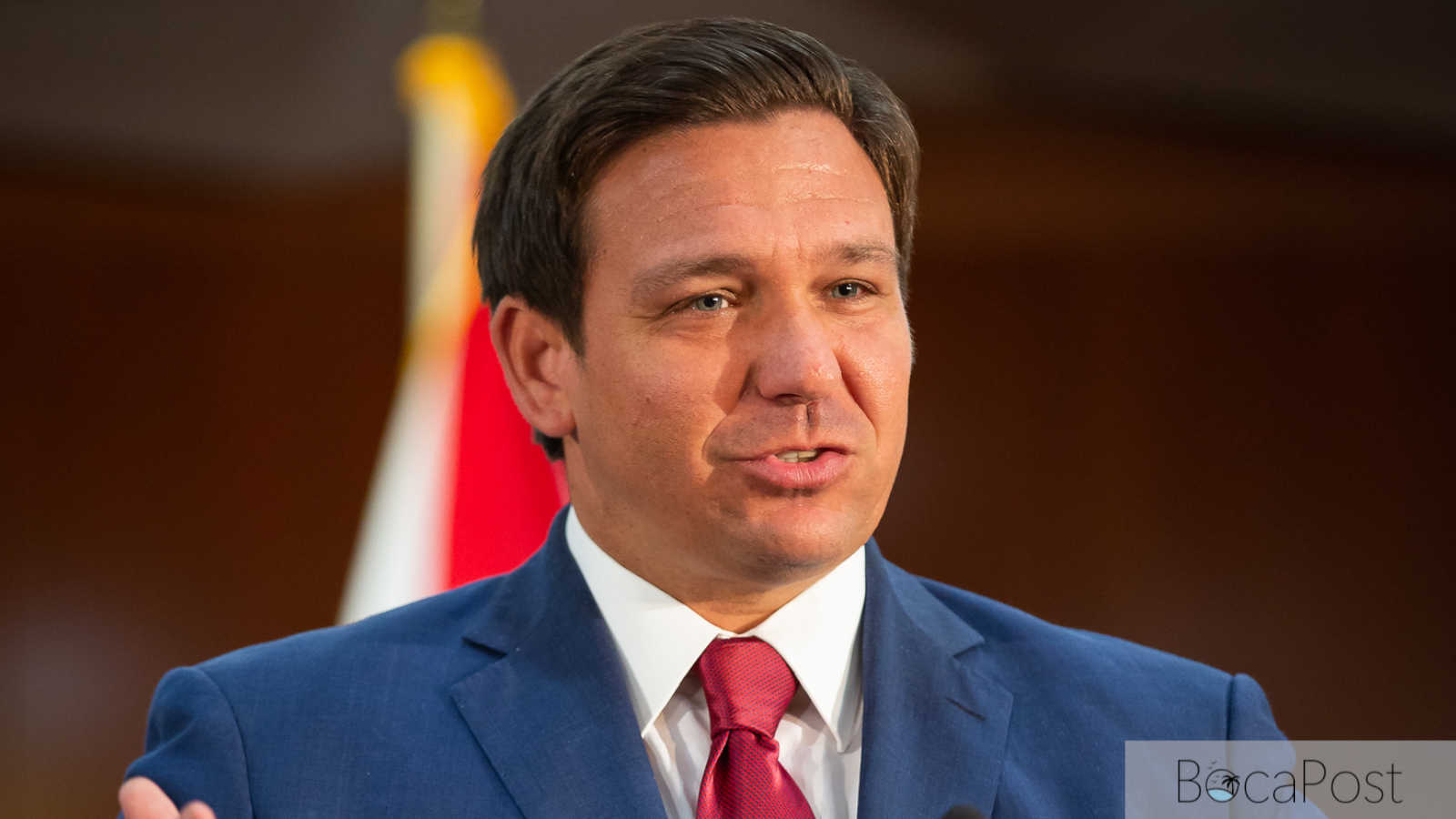

FLORIDA (Boca Post) (Copyright © 2026) — Florida has been awarded more than $209 million through the federal Rural Health Transformation Program, a funding package state leaders say will be used to strengthen health care access in rural communities.
Gov. Ron DeSantis announced the award on Thursday, outlining a statewide plan centered on three main targets: workforce, innovation, and access. The money is intended to support efforts that reduce travel burdens for rural patients and expand the footprint of care closer to where families live.
The state’s plan includes expanding clinical training opportunities and rural rotations, part of a broader push to recruit and retain health care workers outside major metro areas. It also includes start-up funding for rural clinics and satellite locations, along with investments in mobile health units and technology-based care models.
Those technology investments include remote patient monitoring, behavioral health telehubs, and “advanced telespecialty services,” according to the announcement. The goal is to widen the range of services available locally, including behavioral health and chronic disease management, without requiring patients to drive long distances for routine care or specialty appointments.
The Agency for Health Care Administration is expected to play a lead role in rolling out the program. The agency said it will soon release procurements connected to the Rural Health Transformation Program across the state, a signal that specific contracts and vendor opportunities are likely coming next.
Agency Secretary Shevaun Harris said the award reflects what rural providers and community stakeholders have said they need most, and framed the funding as a chance to create “lasting impacts” by growing the workforce, leveraging innovation, and expanding access.
Justin Senior, CEO of the Safety Net Hospital Alliance of Florida, said the funding is aimed at improving access in communities where provider shortages are common. He said safety net hospitals support rural communities and treat patients regardless of their ability to pay, calling investments of this scale “a huge help.”
Jonathan Chapman, president and CEO of the Florida Association of Community Health Centers, said the funding could be a “real difference” maker for recruiting and keeping providers in rural Florida. He pointed specifically to expanded training opportunities and support for community health clinics as a way to increase consistent, high-quality care for patients.
Sarah Catalanotto, executive director of the Suwannee River Area Health Education Center, described the funding as a “once-in-a-generation” opportunity. She said rural families often face long drives and limited care options, and that the initiatives could bring more services closer to home — including behavioral health support and chronic disease care — strengthening families and communities.
For rural hospitals, the money could mean fewer patients being shipped out to distant facilities for services that could be handled locally with the right infrastructure.
David Walker, CEO of George E. Weems Memorial Hospital, called the funding a “lifeline,” citing telehealth, mobile health units, and care coordination as tools that can keep patients local, reduce unnecessary transfers, and expand the level of care rural hospitals can provide.
State officials have not released a project-by-project breakdown of how the funding will be allocated. That level of detail is expected to emerge as the agency issues procurements and the program begins moving from planning into implementation.
Source: Florida award announcement / Rural Health Transformation Program release



0 Comments