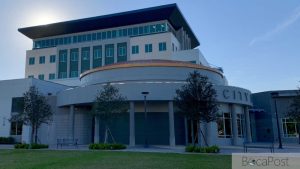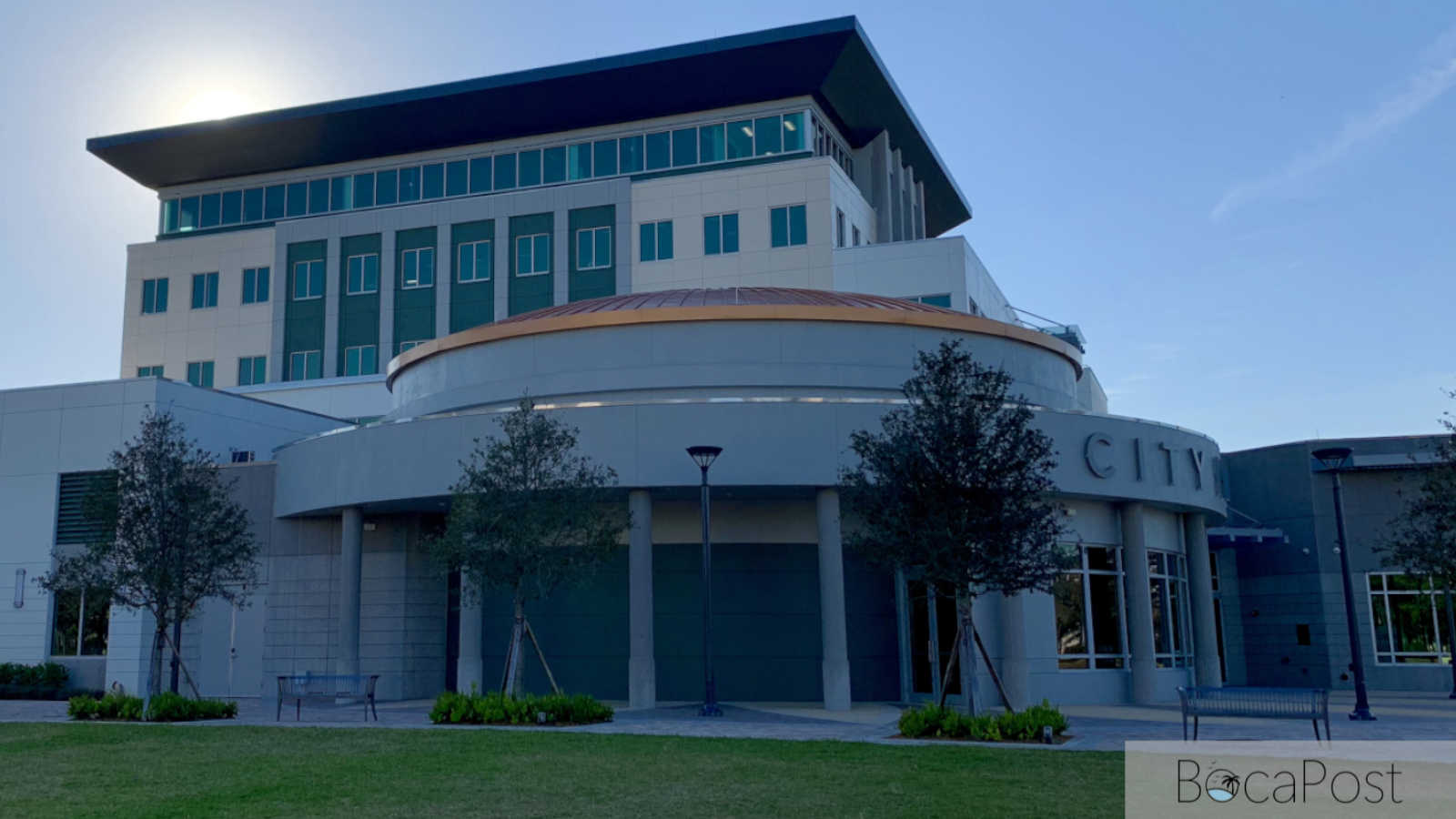
CORAL SPRINGS, FL — Coral Springs commissioners have formally moved to oppose a proposed state constitutional amendment that would tighten limits on how much property assessments can rise, a change city leaders say could restrict local budget flexibility and pressure core city services.
The Coral Springs City Commission approved Resolution 2026-007 opposing House Joint Resolution 213 during a recent public meeting. The resolution takes aim at a measure filed in the 2026 Florida Legislative Session that would curb non-school property assessment increases and further restrict what local governments can do under home rule authority.
Under the proposal, non-school homestead property assessment increases would be limited to once every three years, with a cap of 3% or the inflation rate, whichever is lower. Non-homestead property assessment increases would also be limited to once every three years, capped at 15%.
The Coral Springs resolution also flags additional limits described in the joint resolution, including language that would prohibit increases in non-school assessments if the just value has decreased over the prior three years.
Commissioners framed their opposition around a basic concern: local governments rely heavily on property tax revenue to operate, and limiting assessment growth without replacing the lost revenue shifts the burden onto city budgets. Coral Springs’ resolution states the city currently receives 48.23% of its revenue from property taxation, and it warns that municipal services across Florida could face cuts if property tax growth is constrained without an alternative funding source.
The resolution points directly to public safety spending and the way municipal budgets are built. It states that Coral Springs’ General Fund public safety expenses equal 101.41% of the revenue generated from property taxation, comparing $93,680,944 in expenses to $92,375,673 in ad valorem revenue. In plain terms, the document argues property taxes already function as a backbone for essential services like police and fire, and that reducing growth in that revenue stream would be difficult to absorb.
Coral Springs’ resolution estimates the cumulative impact of the proposed ballot measure would amount to roughly $8.15 million in property tax revenue losses over the first three-year period, based on an assumption of 4% annual growth in total taxable assessed value. The document says the joint resolution does not provide alternative municipal revenue sources to offset potential losses.
Another point of contention is a restriction described in the resolution that would prevent local governments from reducing first responder funding below amounts budgeted in either local fiscal year 2025–2026 or 2026–2027, whichever is greater. Coral Springs officials argue that requirement could lock in police and fire spending while forcing reductions elsewhere, limiting local flexibility even further.
City leaders warned that if local governments cannot adjust public safety budgets to meet revenue realities, the cuts would land on other operations that residents still rely on day to day. Coral Springs specifically raised the possibility of impacts to parks and recreation, public works and infrastructure maintenance, road resurfacing, stormwater management, environmental services, code compliance, and community programming. The resolution also describes the risk of delaying or eliminating capital improvement projects and long-term infrastructure investments, including maintenance that keeps critical systems operating within useful life.
The commission’s resolution goes beyond Coral Springs alone, describing broader statewide effects if local governments lose capacity to collect property tax revenue at current levels. The document warns of service cuts, staffing reductions, and financial stress that could be severe for some municipalities.
The resolution also lays out what happens next procedurally. If the Florida Legislature passes the joint resolution, it would move to voters as a ballot measure for approval. Coral Springs directed its city clerk to transmit the resolution to the Florida Legislature, the Broward League of Cities, Gov. Ron DeSantis, the media, and other interested parties.
The measure adopted by Coral Springs was approved unanimously, according to the resolution record. The city said it will continue monitoring state legislation and advocate for policies it believes protect essential services, preserve home rule authority, and support resident safety and wellbeing.
Stay informed with Boca Raton News covering neighborhoods, local government, public safety, and the stories driving conversation across the area.