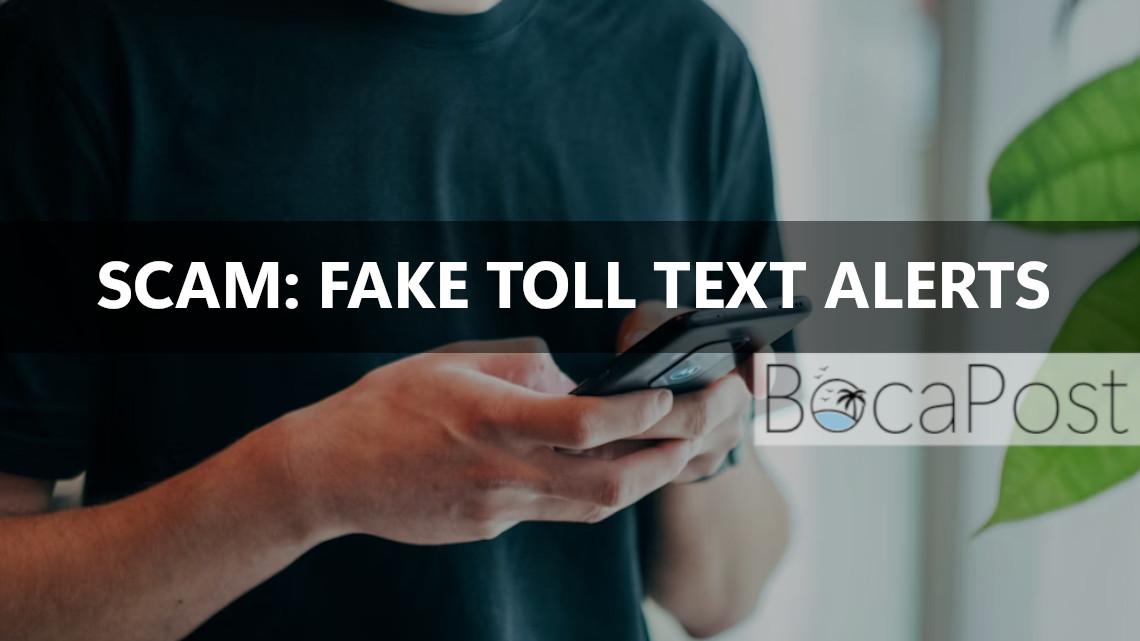
FLORIDA — State transportation officials are pushing out a holiday warning after seeing another wave of fake SunPass text messages land on customers’ phones. The scam looks like a routine toll notice at first — a short message urging immediate payment, usually with a link that claims to resolve an overdue balance — but it is not from FDOT or SunPass. The agency says they never send toll invoices or balance notices by text.
FDOT’s alert, sent this week ahead of heavier holiday travel, repeats the same guidance they’ve issued in past scam seasons. These messages often appear urgent, sometimes threatening late fees if the user doesn’t act fast. That pressure is the point. It gets people to click before they ask why a tolling agency would message them out of the blue. SunPass says on its own materials that fraudsters try to rush victims into handing over information, and the fake sites are designed to collect personal or payment data.
A sample screenshot shared by FDOT shows a message instructing the recipient to “pay your toll in Florida by December 10, 2025,” followed by a link flagged as fake. The agency flatly tells drivers not to click the link. Don’t reply either. Just delete it.
SunPass’s published guidance lays out the red flags: unexpected texts, hidden numbers, spoofed local numbers pretending to be legitimate, fake invoices, sudden warnings of “problems with your account,” and any request for personal information such as a Social Security number or credit card details. Some scammers even ask users to text “STOP” to end the messages, but SunPass says not to respond at all. Delete the message instead and report the attempt.
The legitimate channels for SunPass contact are also straightforward. Emails will come from [email protected] or [email protected], and official texts use the short code 786727 — nothing else. If something looks off, the agency says the safest move is to log directly into your SunPass account through sunpass.com, not through any link sent by text.
Officials say the holiday season sees a noticeable uptick in smishing, which tracks with broader fraud patterns nationwide. More people are on the road, more tolls are being charged, and scammers try to take advantage of that traffic. The advice from FDOT is simple enough to remember: do not click unfamiliar links, do not reply, and do not call any number provided in the text. Report the message to federal fraud portals if possible, including the FTC or the FBI’s Internet Crime Complaint Center.
“Never click links, reply to unknown text messages, or call numbers you don’t recognize,” SunPass warns in its smishing guide, adding that customers should keep device software updated and delete all suspicious texts.
For now, FDOT is just urging awareness as holiday travel ramps up. More traffic means more opportunities for bad actors, and the agency says a little caution goes a long way. If a tolling message feels even a little out of place, trust your instinct, delete it, and check your account manually.