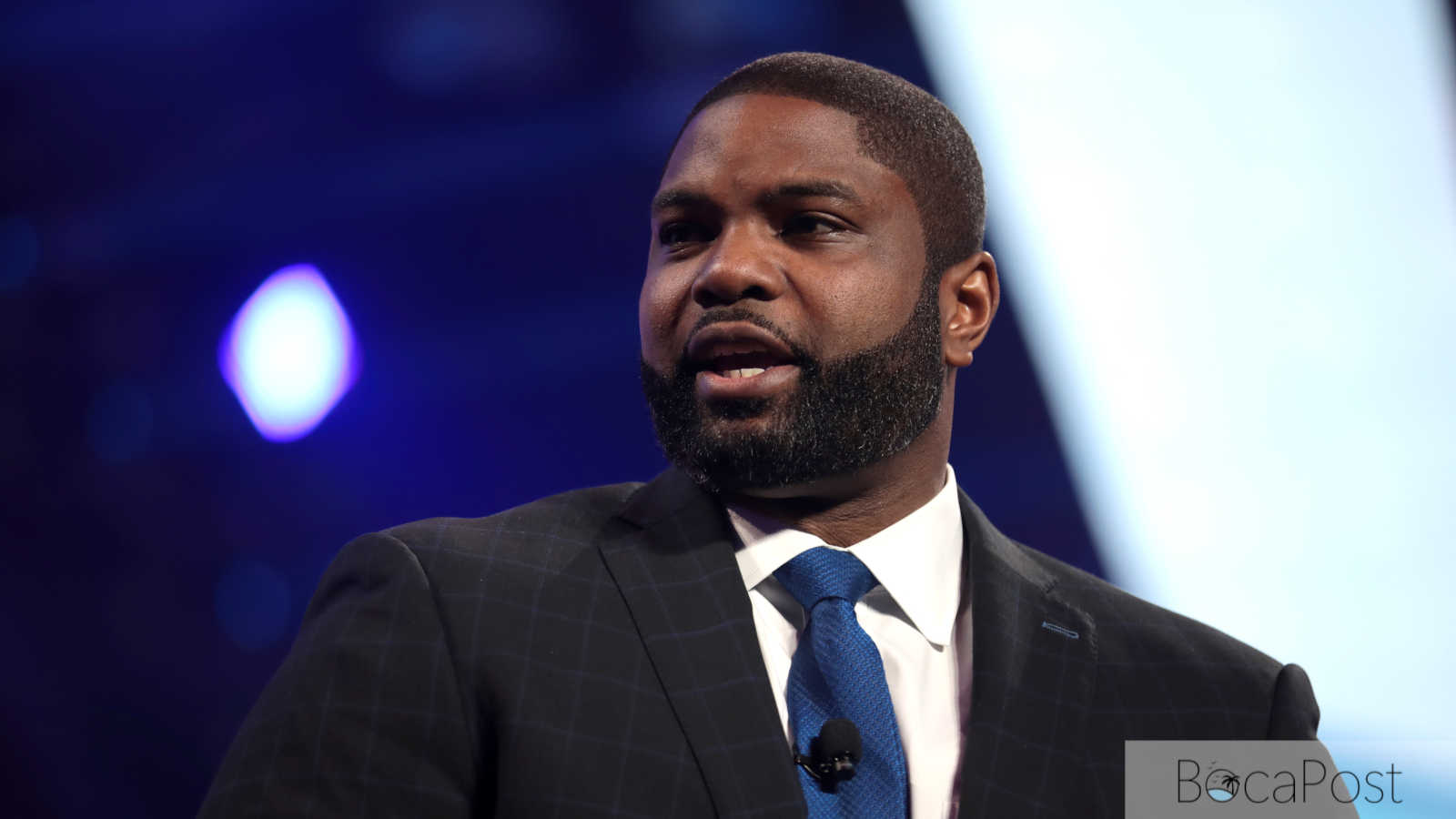
COCONUT CREEK, FL — Byron Donalds used a stop on his “Defending the Florida Dream Tour” in Broward County to announce a new workforce proposal focused on apprenticeships, employer partnerships and faster routes into skilled trades and other in-demand fields.
Donalds unveiled the plan, called LaunchPad, during an appearance at the Associated Builders and Contractors Florida East Coast Chapter in Coconut Creek. The initiative is framed as an industry-driven workforce model that would put employers at the center of how training pathways are built, with the goal of moving students into jobs without the cost burden of a traditional college track.
The proposal targets a familiar Florida pressure point: employers across several sectors say they need more trained workers, while students and families are looking for affordable ways to reach stable, well-paying careers. LaunchPad is designed to connect those two needs more directly.
According to Donalds’ campaign, the initiative would create partnerships between high schools, state colleges and employers so students can move from the classroom into apprenticeship and work-based learning programs that match current labor demand. The plan calls for focusing on industries such as construction, aerospace, defense and manufacturing, which the campaign said are facing large numbers of open positions.
Donalds said the point is to simplify a system he described as too slow and too bureaucratic for students trying to enter the workforce.
“Florida students deserve a direct path to a high-paying job, not a maze of paperwork and bureaucracy that slows them down,” Donalds said. “LaunchPad is about training at the speed of business, connecting students to real opportunities, and making sure every young Floridian has the chance to earn, learn, and succeed without being buried in student debt.”
Under the proposal, employers would identify the fields where workers are needed most, and the state would then help build the education and training structure to meet that demand. The campaign said the model would be aimed at reducing tuition costs for students while creating a clearer path into long-term employment.
A key part of the plan would be a statewide coordination effort run through the Governor’s Office. Donalds said that would include a dedicated task force charged with aligning agencies, reviewing existing workforce programs and cutting regulations or administrative barriers that limit access to training opportunities.
That matters because workforce policy in Florida does not sit with one institution alone. High schools, colleges, employers and state agencies all play a role, and many training programs depend on how well those systems work together. The LaunchPad proposal is built around the idea that the state should act less like a program manager and more like a connector between education and hiring demand.
The campaign also positioned LaunchPad as more than a student training program. Donalds said it would function as an economic development tool by making Florida more attractive to employers looking for a skilled labor pipeline. In that pitch, workforce readiness is not just an education issue but a business recruitment issue, especially in sectors tied to manufacturing and defense.
What happens next is less about immediate implementation and more about whether Donalds can translate the proposal into policy. LaunchPad is, at this stage, a campaign initiative. Its actual reach would depend on executive action, agency cooperation and how a future administration chooses to structure workforce programs across Florida.
For residents, students and employers, the proposal is one to watch because it touches several live issues at once: tuition costs, access to technical training, employer hiring shortages and the role of apprenticeships in Florida’s economy. It also signals that workforce development is likely to remain a central issue in the state’s political debate, especially in regions where construction, manufacturing and related trades continue to drive demand for labor.
In Coconut Creek, Donalds pitched LaunchPad as a way to shorten the distance between education and employment. The message was direct: train people for the jobs that already exist, reduce the friction in getting there, and let employers help define what workforce readiness looks like.
Readers can follow all local updates in our Coconut Creek News section.