
BOCA RATON, FL (Boca Post) (Copyright © 2026) — The first marked sea turtle nests of the 2026 season are now showing up on Boca Raton’s oceanfront, a familiar sign each spring as nesting activity returns to the city’s beaches from Red Reef Park north toward Spanish River Park.
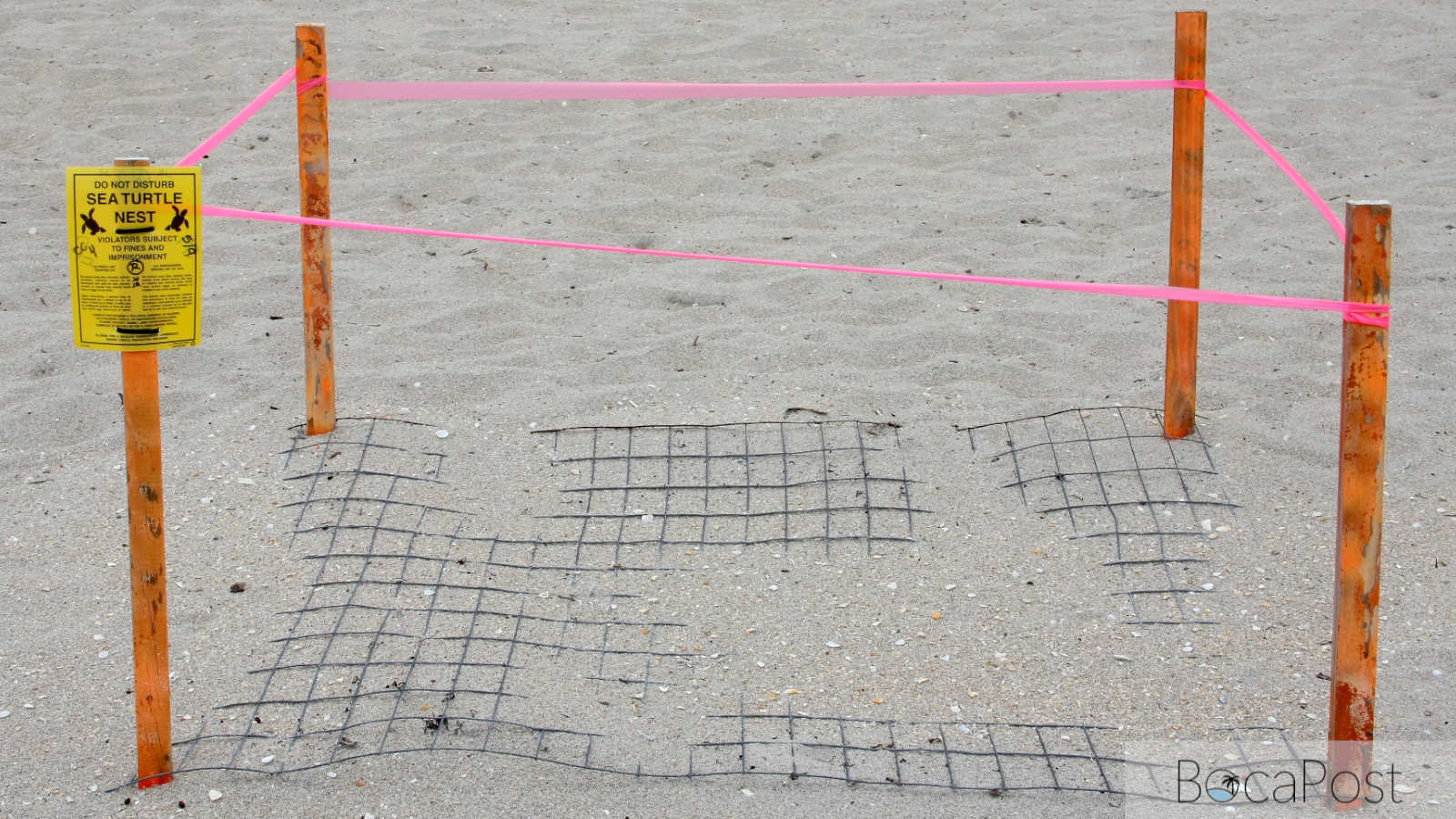
One of the early nests was marked this week near Sweetwater Lane, roughly midway between Red Reef Park and Spanish River Park, with the usual wooden stakes and orange tape placed around the site. Sea turtle season technically begins in March, but local nesting activity started to pick up in larger numbers this week.
That comes as Boca Raton’s Gumbo Limbo Nature Center reported a separate and deadly stretch in the Intracoastal Waterway near the Spanish River Bridge.
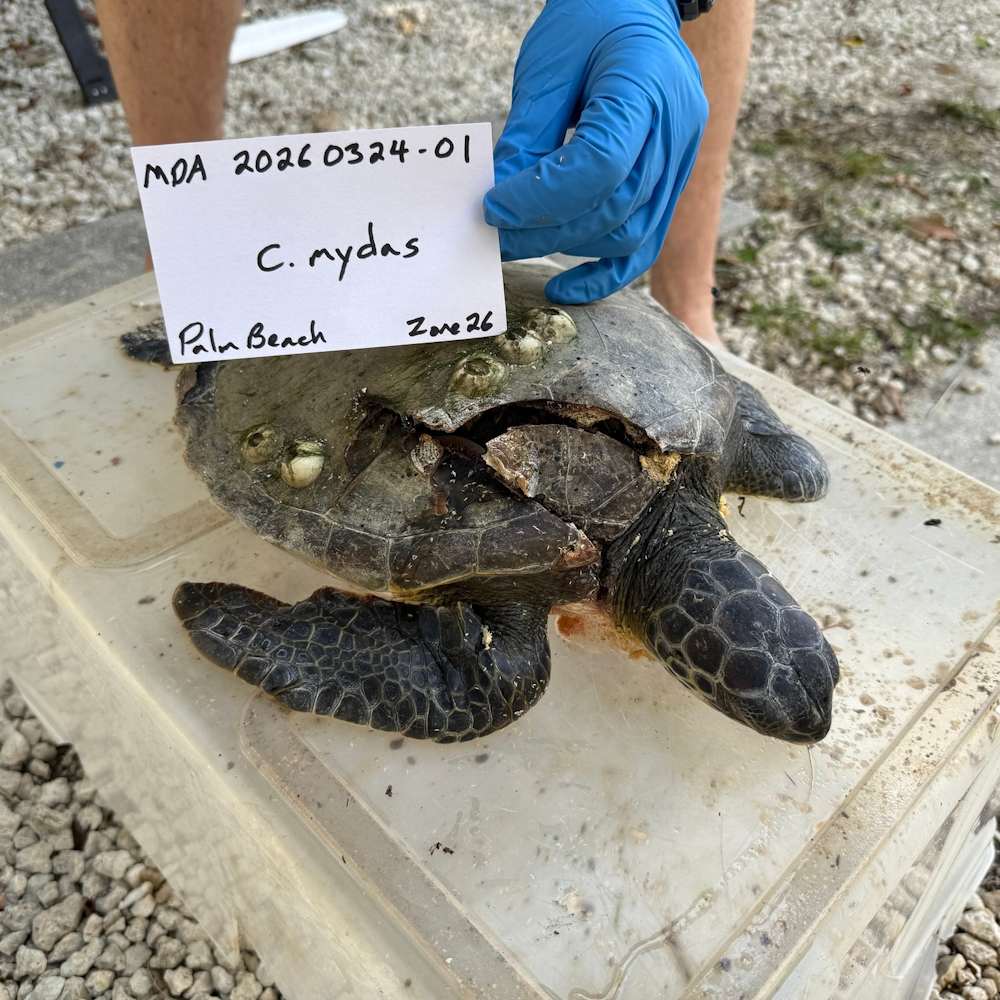
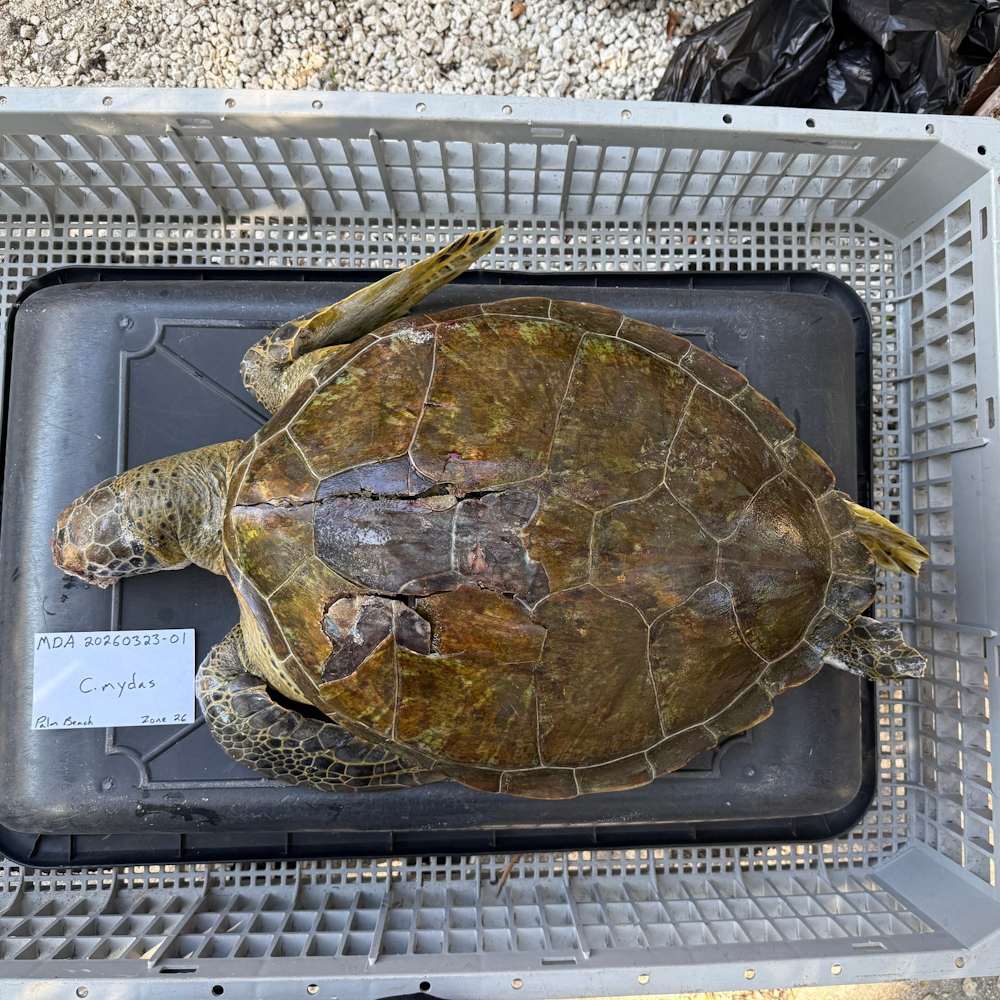
“Last week, our sea turtle conservation team responded to 5 sea turtle strandings in five days,” the center said in a statement. “All were juvenile green turtles that were hit by boats in the Intracoastal Waterway near the Spanish River Bridge. Unfortunately, none of them survived.”
The update puts two sides of the season in focus at once in Boca Raton: nesting turtles returning to the beachfront, and juvenile turtles moving through busy inland waters where boat traffic can turn dangerous fast.
Early in the nesting season, most of the nests found along South Florida beaches are typically laid by leatherback turtles. Loggerheads usually begin laying in April and May, and green sea turtles become more prominent in May and June. The busiest stretch of nesting season usually comes in June and July.
The 2026 season already got an unusually early sign in Palm Beach County, where a record-breaking leatherback nest was spotted Feb. 12 in the northern part of the county.
In Boca Raton, the concern is not limited to the beach. Gumbo Limbo said green sea turtles are commonly found in intracoastal and nearshore waters because they feed on seagrass beds in those habitats. Those same areas also see heavy recreational boat traffic.
The center urged boaters to obey no-wake zones and actively watch for turtles while underway.
“Sea turtles often rest or feed just below the water and may not be visible until it’s too late,” the statement said. “Slowing down gives you and them a better chance.”
On the beach side, state wildlife guidance is direct. People should stay at least 50 feet away from nesting turtles and give them space to complete the nesting process and return to the water. It is illegal to harm or disturb nesting sea turtles, their nests, eggs, or hatchlings.
Beachgoers are also being asked to clear the sand at the end of the day. Chairs, toys, tents, shade structures, and other gear left behind can block or trap nesting turtles. Holes dug in the sand can trap both adult turtles and hatchlings. Fishing line and litter create additional hazards, and food scraps can attract predators that go after eggs and hatchlings.
Female sea turtles already expend significant energy crawling out of the surf and high enough onto the beach to dig nests above the tide line. Obstacles in the sand can interrupt that effort and keep turtles from nesting at all. Later in the season, the same obstacles can prevent hatchlings from reaching the ocean.
Florida wildlife guidance also warns that lights near the beach can disorient turtles, especially hatchlings, and can discourage nesting females from coming ashore or completing the process. Nesting season in Florida runs from March through October.
For Boca Raton residents, the practical message is simple: slow down on the Intracoastal, respect marked nest sites on the beach, remove gear at day’s end, fill in holes, and keep lights low near the shoreline at night.
The orange tape is back on the sand. So are the turtles. What happens next depends in part on how carefully people share the water and the beach with them.
For more, see the "Be a Beach Hero" brochure by FWC.
From breaking incidents to city decisions, Boca Post is your daily source for Boca Raton News that actually impacts life here.