BOCA RATON, FL — The change was technical, but the explanation turned on a practical detail: 130 pay periods do not equal five full years.
Boca Raton City Council approved two pension-related ordinances on June 9, updating language in the city’s General Employees’ Pension Plan and Executive Employees’ Retirement Plan. City staff said the changes are intended to align the city code with how the plans are already administered and do not increase pension costs.
Both ordinances passed 5-0 during the City Council regular meeting.
Ordinance No. 5788 amends the General Employees’ Pension Plan. Ordinance No. 5789 amends the Executive Employees’ Retirement Plan.
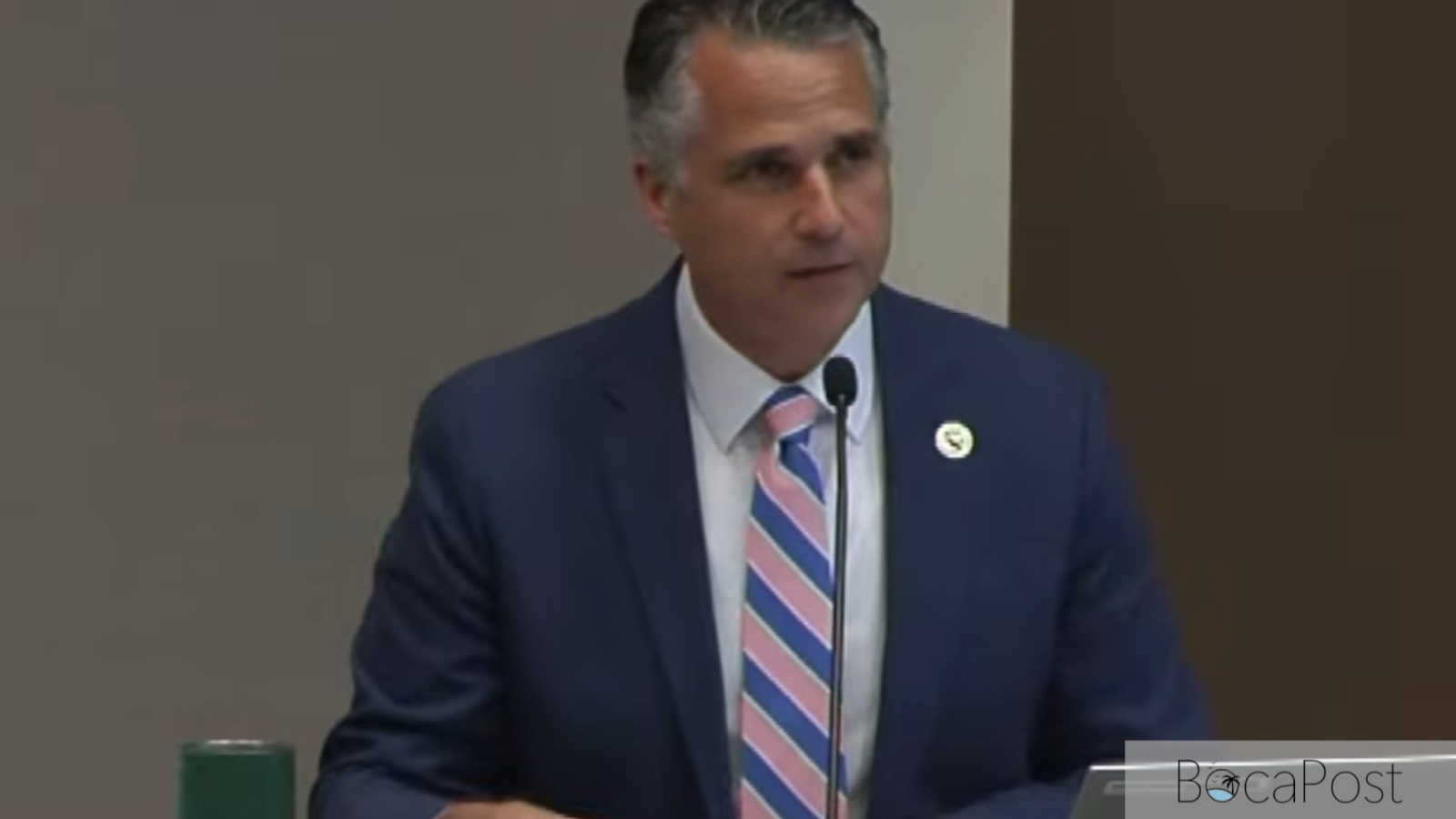
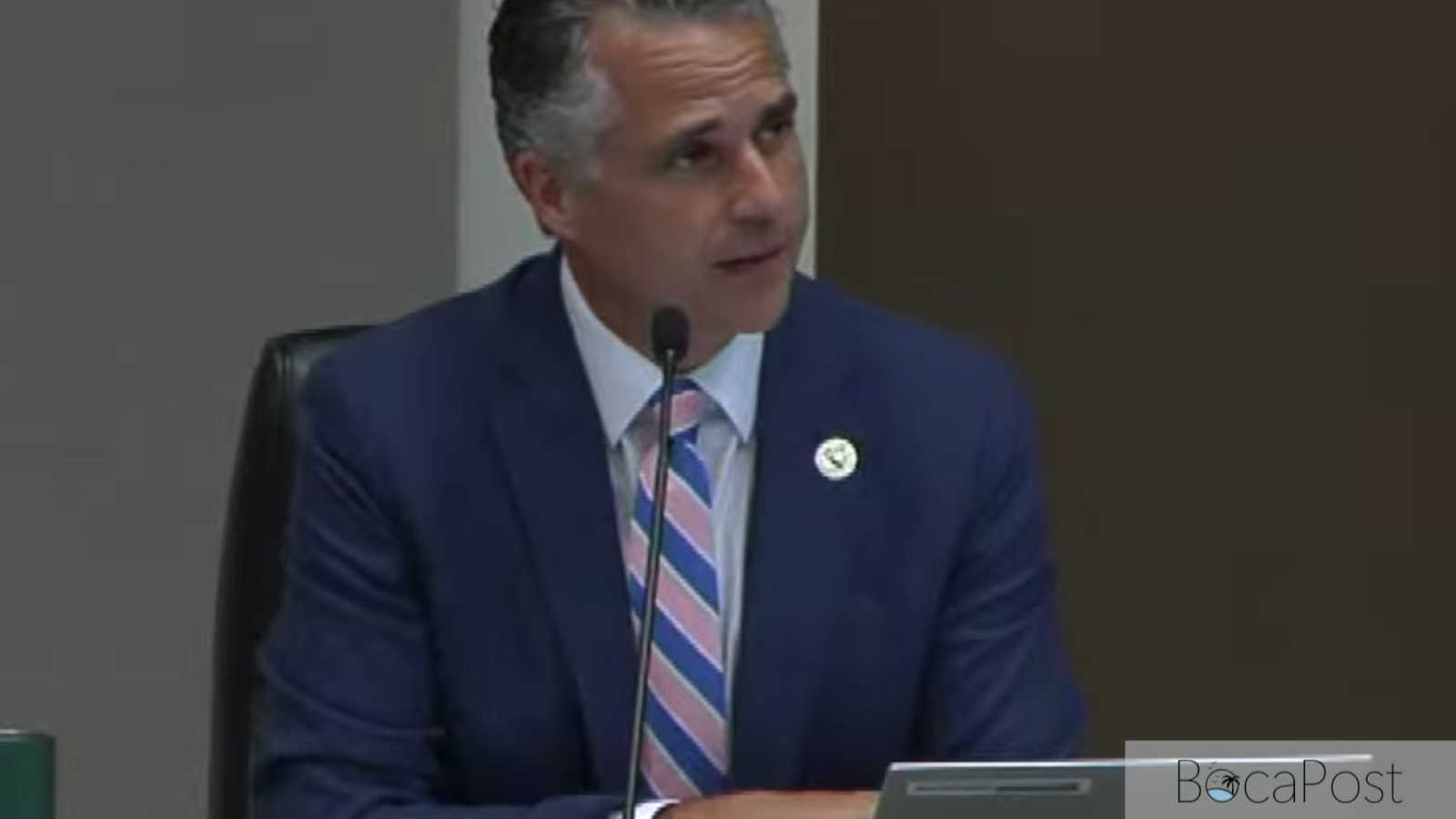
Deputy City Manager and Chief Financial Officer James Zervis told the council that Ordinance 5788 provides a definition for “actuarially equivalent” and allows limited post-retirement changes involving a joint pensioner or beneficiary.
According to the city memorandum attached to Ordinance 5788, the ordinance does not increase benefit multipliers, expand eligibility, modify retirement ages, or enhance cost-of-living or supplemental benefits. The city described the changes as technical updates intended to provide clarity, internal consistency, and actuarial alignment.
The general employee pension ordinance adds a definition of “actuarial equivalent,” tying benefit calculations to the mortality tables, interest rates, and other actuarial assumptions approved by the General Employees’ Board of Trustees.
It also updates optional retirement benefit rules.
Under the ordinance, certain retired members who selected a joint-and-survivor annuity may be allowed to change a joint pensioner or beneficiary up to two times without board approval if the current beneficiary consents or is removed due to divorce or annulment. Further changes would require board approval.
The ordinance also allows limited post-retirement changes for members in the Deferred Retirement Option Plan, or DROP, under defined life events such as marriage, dissolution of marriage, or annulment, subject to the rules in the ordinance.
An actuarial impact statement from Nyhart included with Ordinance 5788 estimated no increase in accrued liability, no increase in the present value of future benefits, and no increase in city contribution for the fiscal year ending Sept. 30, 2027.
The second ordinance, Ordinance No. 5789, deals with the Executive Employees’ Retirement Plan.
That ordinance updates the definition and calculation of “average final compensation,” a key component used in calculating retirement benefits.
According to the city memorandum attached to the ordinance, the existing code referred to a specified number of pay periods. The city said that because a full year is not evenly divided into biweekly pay periods, a strict application of the old wording would produce a value slightly short of actual annual compensation.
The ordinance replaces references to pay periods with corresponding time periods measured in years. For example, the ordinance changes the calculation from the highest 130 pay periods within the last 260 pay periods to the highest five consecutive years within the last 10 years.
During the meeting, a resident asked whether the new five-year language meant five years of continuous employment.
Zervis said the existing code referred to the highest 130 pay periods out of the last 260 pay periods, but that 130 pay periods “does not equal five years” and is off by a little more than six days. He said the new code states the calculation as the highest five years within the last 10.
The ordinance also includes language for Division 4 members who retired or entered DROP before Jan. 26, 2021, replacing pay-period references with corresponding year-based language.
A letter from Gabriel, Roeder, Smith & Company included with Ordinance 5789 said the change clarifies how the plan has been interpreted and administered, and that the ordinance would not have an actuarial impact on the plan’s cost.
Zervis told the council that both Ordinance 5788 and Ordinance 5789 included actuarial statements saying there would be no financial impact to the city or the plans.
There was no extended council debate on either ordinance before the votes.
Roadway improvements, public works upgrades, and capital investments affect neighborhoods across the city. Read the latest infrastructure and growth coverage in our Boca Raton City Government and Development section.