BOCA RATON, FL — The direction of Boca Raton’s future development took a clearer shape Tuesday night, as City Council members formally introduced the “Save Boca” land protection ordinance and confirmed a shift toward a competitive bidding process for a long-term planning consultant.
The April 28 regular meeting followed a contentious workshop a day earlier, where questions over transparency, procurement, and potential conflicts tied to a proposed consultant forced a change in approach.
By Tuesday night, that shift was no longer theoretical.
City Manager George Brown confirmed during his report that the council had directed staff to move forward with a formal Request for Proposals for a private planning firm to develop Boca Raton’s community master plan. The move replaces earlier discussion of working directly with the Treasure Coast Regional Planning Council and sets up a competitive process where multiple firms will submit bids.
That decision effectively resets how Boca will plan its next phase of growth — and who will help shape it.
The RFP process is expected to come back before council with a defined scope and timeline at an upcoming workshop, with staff emphasizing that the city now has “more time” to structure both the consultant selection and related public engagement process.
At the same meeting, council members took the next formal step on the closely watched “Save Boca” initiative, introducing Ordinance No. 5784.
The ordinance would prohibit the city from selling, leasing, or otherwise transferring ownership of city-owned land larger than half an acre without voter approval in a referendum, with limited exceptions for utilities, existing leases, and temporary public uses.
Introduction is the first step in the legislative process. The measure must return for additional readings and potential adoption before taking effect or advancing further alongside a related charter amendment that could ultimately go to voters.
The ordinance stems from a citizen-driven petition effort that gained traction after a series of development proposals — including those involving public land — sparked sustained public backlash over the past year.
Tuesday’s meeting made clear that those tensions have not subsided.
While the council moved forward procedurally, divisions surfaced over how much control should rest with elected officials versus voters — and how much structure is needed to guide public input.
One of the clearest flashpoints is the proposed downtown “task force,” originally pitched as a resident-driven advisory group to help shape redevelopment decisions for key city properties.
By Tuesday night, that concept was already under strain.
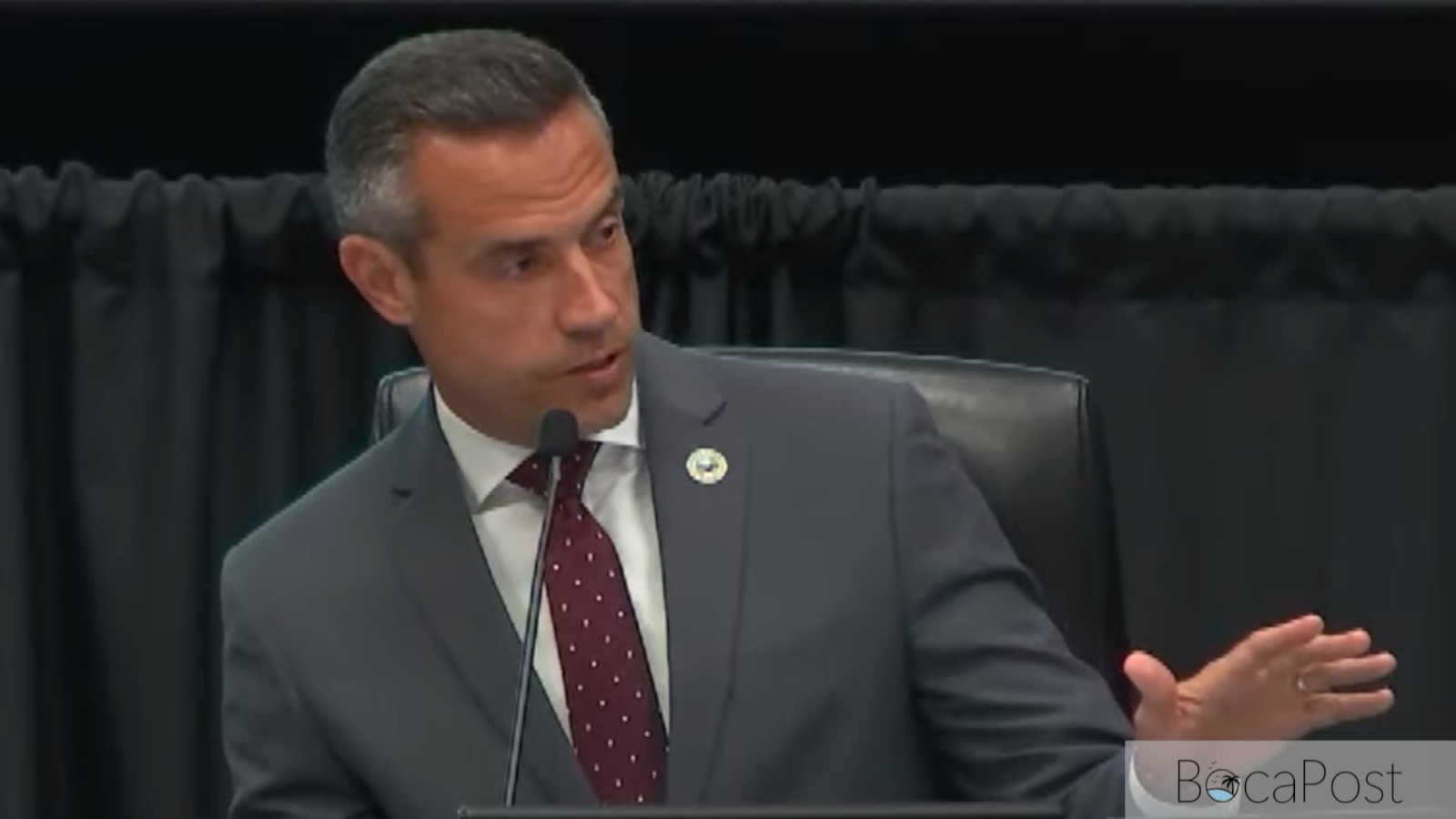
Deputy Mayor Yvette Drucker Grau openly questioned whether the task force should move forward at all, warning it could limit participation and create division within the community before any planning work begins.
“I believed everybody who signed the Save Boca petition is a stakeholder and deserves a seat and a voice,” Grau said, arguing that a professional planning firm could instead handle broader public engagement through workshops and surveys.
Council Member Andy Thomson pushed back, saying the task force would expand — not restrict — public input by creating additional forums beyond standard three-minute public comment periods.
The debate didn’t end with discussion.
Council Member Marc Wigder Perlman signaled a potential attempt to revisit or repeal the task force resolution entirely, citing concerns about exclusion and process integrity. The city attorney confirmed that the council has the authority to amend or repeal the resolution with a majority vote, though any such move would require proper notice and due process before being considered.
That leaves the task force in a holding pattern — approved in concept but politically unsettled.
The broader context is hard to ignore.
The same meeting opened with a presentation from the Palm Beach County Commission on Ethics, outlining what constitutes a true conflict of interest — a topic that has hovered over recent council discussions involving consultants, development, and decision-making authority.
Public comment reinforced the stakes.
Residents raised concerns about homelessness in downtown areas, youth sports facility shortages, land use decisions, and quality-of-life issues ranging from traffic to public safety. Others urged the council to move cautiously, warning that requiring referendums for land decisions could limit flexibility and slow city operations.
The throughline was consistent: control over Boca Raton’s growth is now a public issue, not just a policy discussion.
What happens next will determine how that control is exercised.
The RFP for a planning consultant will move forward in the coming weeks, setting up a competitive selection process and eventually a citywide master plan effort. The Save Boca ordinance will return for further readings, and the related charter amendment remains on a parallel track that could lead to a future ballot.
And the task force — once seen as a bridge between residents and City Hall — may become the next battleground over how decisions get made.
For residents, the takeaway is straightforward.
The process is no longer informal. The votes are starting. And the structure of how Boca plans its future is now being decided in real time.
Roadway improvements, public works upgrades, and capital investments affect neighborhoods across the city. Read the latest infrastructure and growth coverage in our Boca Raton City Government and Development section.